
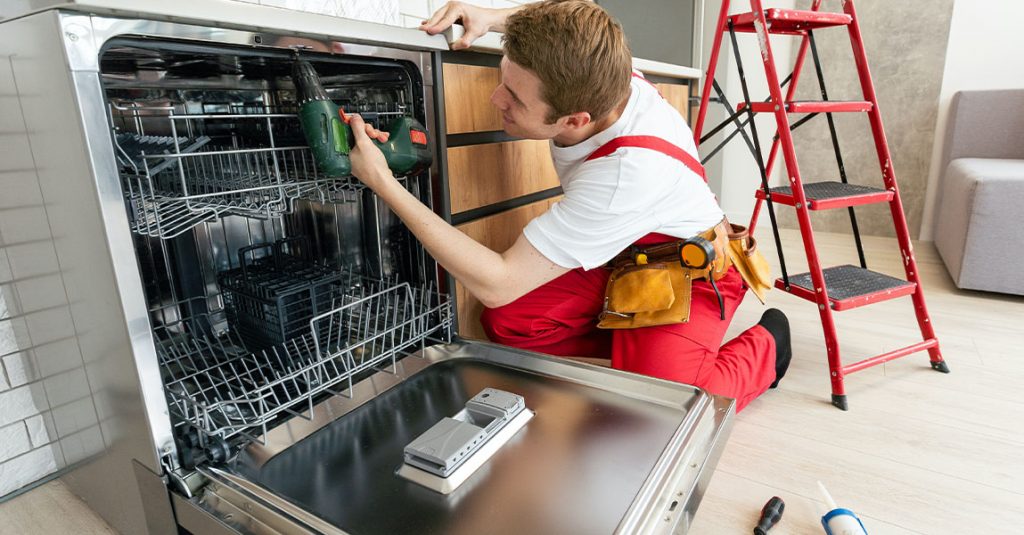
A burnt smell coming from a dishwasher is never a good sign. We often hear from people in Edmonton who notice this strange odor during or after a wash cycle. While many causes can be blamed, failing heating element terminals are one of the most overlooked. These terminals are where the heating element connects to the rest of the electrical system. When they wear out, loosen, or get corroded, they can overheat and create that burning smell. If this continues, it can lead to melted wiring or complete failure of the dishwasher’s heating system.
Understanding what causes these terminal issues, how to safely inspect them, and when to act helps prevent permanent damage. We want to break down the symptoms, provide simple testing tips, and explain how to prevent further risks linked to this repair issue.
Common Signs of Terminal Damage in Dishwashers
One early sign that terminals are failing is the strong burnt smell during a cycle. This smell can be more obvious during the drying phase. Some users also report smoke or heat coming from the bottom area of the dishwasher. Another symptom is water not drying properly because the heating element stops working. In some cases, the dishwasher may stop mid-cycle or trip the circuit breaker.
These terminals can wear out from years of heating cycles. Corrosion caused by moisture and detergent residue also weakens their connection. A loose or discolored terminal is a clear red flag. If it has melted plastic around it, that’s another warning that it’s overheating and unsafe to use.
We often remind our customers that ignoring these signs can cause damage to the control board or wiring harness. For those looking into dishwasher repair in Edmonton, catching terminal issues early helps avoid costly replacements.
How Heating Elements Work in Dishwashers
Heating elements in dishwashers warm water during the wash cycle and generate heat for drying. These elements rely on clean, stable connections at their terminals to function correctly. Each terminal sends electrical current into the coil, which then heats up.
If there’s high resistance at a terminal, it produces heat at the wrong spot—right at the connection. This extra heat can melt wires, connectors, and even cause nearby plastic to burn. Therefore, terminal integrity is critical. A clean and tight connection ensures energy flows through the element instead of getting stuck at the entry point.
To clarify, the element itself may still be intact. However, the terminal damage can stop the current from entering the coil or make the current arc, which generates sparks and that familiar burning odor.
For anyone unsure how this works in their specific machine, our team at JAY Appliances can help you schedule appliance repair in Edmonton and avoid further damage.
Simple Ways to Inspect Terminals for Damage
Before checking terminals, always unplug the unit or turn off the breaker. Never touch wiring while the dishwasher is powered. Once it’s safe, remove the bottom access panel under the door. You’ll find the heating element leads connected to two terminals with wires clamped onto them.
Look for black marks, melted plastic, or burnt smells around the wire ends. Tug gently on the wire to see if it feels loose. A terminal that wiggles or slides out too easily may be damaged. Some units may also have screws that hold the wire clamps in place. Tightening these can sometimes help restore a better connection, but only if there’s no visible burning or corrosion.
We don’t suggest using the unit again if the wires are already melted or if the insulation is brittle. A certified technician should replace the terminals or the entire element if needed. For deeper diagnostics, you can request a dishwasher heating issue diagnosis, which includes a full safety check.
Repair vs Replacement: What Makes Sense
In many dishwashers, terminal damage can be fixed without replacing the whole appliance. That said, the severity of the issue decides what’s worth saving. If the element terminals are slightly loose or corroded but not melted, a cleaning and re-crimping of the connectors could solve the problem. This type of repair is affordable and doesn’t take much time.
However, when the damage extends to melted wires or a cracked element base, replacement becomes necessary. In some cases, this repair can cost almost as much as a new machine if additional parts are involved. For newer dishwashers still under warranty, a replacement part may be covered.
We always recommend weighing the cost of labor and parts against the machine’s age and condition. Calling a team that handles appliance repair in Edmonton can help you understand whether it’s worth fixing or replacing.
Preventing Terminal Failure in the Future
Moisture and residue are two of the biggest threats to heating element terminals. Keeping the dishwasher clean inside and avoiding overloading can reduce strain on the system. It’s also helpful to run hot water in the sink before starting a cycle, so the unit doesn’t need to work as hard to heat the water.
If the dishwasher runs unusually hot or takes too long to dry dishes, it’s smart to check the terminals sooner than later. Regular maintenance and visual inspections of the lower access area once a year can catch problems before they lead to major damage.
Another tip is to avoid resetting breakers repeatedly if the dishwasher trips power. That often signals electrical stress in the system, sometimes caused by terminal overheating. A quick inspection or test can save the unit from further internal damage.
Using proper detergent also matters. Some low-quality pods or liquids leave more residue, which settles in areas near wiring and terminals. This buildup attracts moisture and causes corrosion faster.
Extra Tip: Use a Multimeter to Confirm Continuity
When terminals appear clean but the heating element still doesn’t work, a continuity test helps confirm what’s wrong. With the dishwasher unplugged, remove the wire connectors from each terminal and place a multimeter probe on each post. If the reading shows a complete circuit (usually around 10–30 ohms), the element is still intact.
However, if you get no reading or the resistance is very high, the element might have burned out inside. Testing this helps avoid unnecessary part swaps or assumptions. We recommend using a multimeter only if you’re familiar with electrical safety. If not, a licensed technician can do this test during a visit.
These small steps can prevent confusion and ensure that time and money go toward fixing the right issue instead of replacing good parts by mistake.
FAQs
1. Why does my dishwasher smell like it’s burning even when it’s off?
Residual heat from failing terminals can continue to release a burnt smell after a cycle ends. Damaged wires may hold heat longer than normal.
2. Can a dishwasher still run if the heating element is bad?
Yes, it can wash dishes but won’t dry them properly. Over time, the cycles may start to fail completely if terminal damage gets worse.
3. Is it safe to keep using a dishwasher that smells burnt?
No, using it risks electrical damage and fire. Disconnect power and inspect the unit right away or call for a technician.
4. What causes terminals to melt in the first place?
Loose connections and corrosion create resistance. That resistance causes heat to build at the terminal instead of the coil.
5. How much does it cost to replace a dishwasher heating element?
Prices vary by model and damage level. If only the terminals are bad, the cost is lower. Severe damage may require full replacement.
Let us help you fix the issue safely. If your dishwasher smells burnt or won’t dry dishes properly, you can book an appliance repair in Edmonton and speak with a technician who can inspect the terminals and restore safe function.