
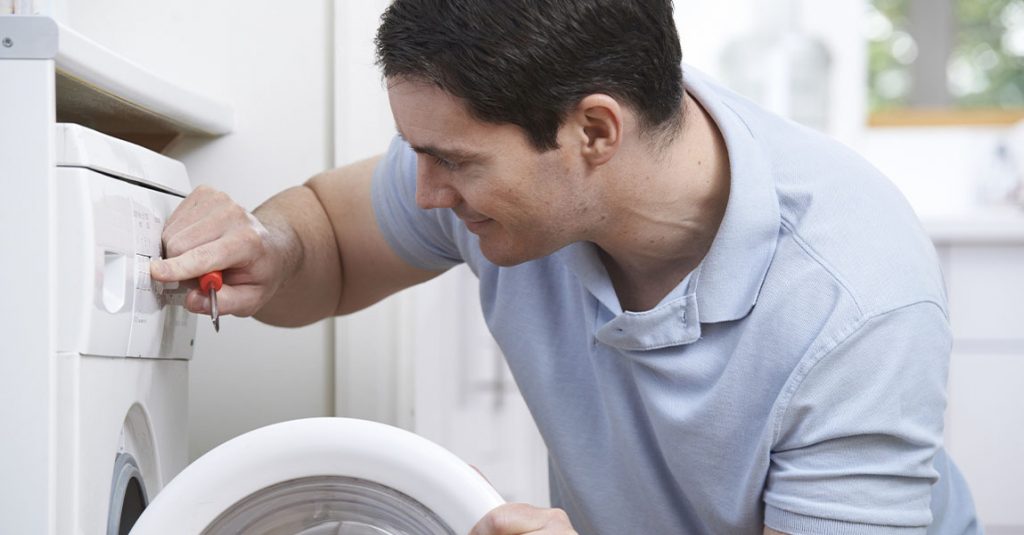
When a washer door locks but refuses to start the cycle, it usually signals an issue with the door lock system. At first glance, it might look like a software error or a stuck control panel. In reality, many of these cases trace back to a faulty door latch solenoid. This small but essential part plays a key role in the washer’s startup process. If it fails to send the proper signal, the machine won’t proceed, even if the door is physically locked. Understanding how this part works can help us figure out what’s wrong and what to check first.
Understanding the Washer Door Lock System
Most washers today are designed to lock the door before any cycle begins. This safety step prevents water spills and stops anyone from opening the machine mid-wash. Inside the lock assembly, a solenoid moves a metal piece into place, securing the door. At the same time, it sends a confirmation signal to the washer’s control board to continue with the cycle.
If the solenoid locks the door but fails to send this signal, the machine gets stuck. It won’t start the cycle even though the door appears sealed. That’s why we often hear a click followed by silence. The control board is waiting for the go-ahead, but the solenoid never provides it. In this situation, nothing happens—even though everything looks fine from the outside.
Signs of a Failing Door Latch Solenoid
When a washer doesn’t start even after locking the door, the solenoid is one of the first things we check. Some machines lock and unlock several times before giving up. Others flash a code or stay completely silent after the lock clicks. In either case, it’s likely the solenoid isn’t making a complete connection.
Another common sign is when the washer hums faintly after locking, but no water enters and no drum movement begins. That humming shows the washer is trying to respond but hasn’t received the final confirmation it needs. It’s stuck waiting for a signal that never comes.
In these cases, it’s worth getting proper washer repair in Edmonton to avoid replacing the wrong parts. Fixing the latch solenoid often restores full function without the need for a control board or motor replacement.
Basic Checks Before Testing the Solenoid
Before we open up the washer or test electrical parts, it’s smart to check a few simple things first. The most common oversight is an improperly closed door. Sometimes a towel or piece of clothing blocks the latch, keeping it from fully locking. If that happens, the washer won’t start, even though the door looks shut.
We also make sure the washer is getting full power. A loose plug or partially tripped breaker might create low voltage, which can prevent the solenoid from working. Moving the plug to another outlet or resetting the circuit breaker can rule this out quickly.
If the machine has a diagnostic mode, it’s helpful to run it. Many washers can display error codes that point directly to latch or solenoid issues. A bit of time spent on these basic checks often prevents unnecessary part replacements or long delays in diagnosing the problem.
How to Safely Test a Door Latch Solenoid
When everything else seems fine, it’s time to check the solenoid directly. We start by unplugging the washer and removing the panel around the door area. Once the door lock assembly is visible, we disconnect the wiring harness and access the solenoid.
With a multimeter, we test the solenoid’s terminals for resistance. A healthy solenoid usually measures between 150 and 250 ohms, depending on the model. If the reading is zero or far above normal, the coil is likely damaged and needs replacement.
Another way to test is by checking continuity when the door is closed. If the solenoid isn’t completing the circuit, it means the switch inside hasn’t been activated. That failure explains why the washer won’t start despite the lock engaging. If we’re unsure or don’t have a meter handy, scheduling appliance repair in Edmonton can make this step quicker and safer.
Replacing a Faulty Latch Solenoid
If testing shows the solenoid isn’t working, we replace the entire latch assembly. Most modern washers don’t sell the solenoid separately. We begin by unplugging the machine again and removing the door seal to access the latch. The latch is typically held by a couple of screws and a wire connector.
Once removed, we install the new latch and secure everything back in place. Careful handling matters here because the rubber seal around the door is easy to damage. After installation, we test the washer using a short cycle to confirm that it starts properly.
Some washers may need to reset or recalibrate after the repair. We follow the manual or use diagnostic mode to clear any errors. If everything works, we can be confident the faulty solenoid was the root of the issue. If not, it may be time to inspect the wiring or control system further.
Washer Models That Commonly Show Latch Issues
Not all washers are built the same, and some models run into latch problems more often. Front-loaders tend to experience more latch stress because of the door’s weight and the tight seal needed for water retention. Over time, this stress wears out the latch faster than in top-load models.
Certain high-efficiency models cycle more often, placing frequent strain on the door lock system. We also see latch issues in machines that run several loads per day, especially in larger households. These units lock and unlock repeatedly, increasing wear on the solenoid.
Even newer machines with complex control boards may show latch-related errors. If we notice repeated service calls for the same part on the same model, we know it’s a design weak spot. Staying aware of these patterns helps us identify latch problems faster, without unnecessary testing.
How Cold Temperatures Affect the Door Solenoid
Cold rooms can make washer problems worse. When a washer sits in a basement or garage, temperature drops can cause the solenoid to contract slightly. This tiny shift may change how it responds to voltage. In some cases, it won’t move enough to lock the door or send the return signal.
Moisture is another problem in cold spaces. If the latch area gathers condensation, that water can freeze and block moving parts. We’ve seen machines work fine one day, then stop working the next morning due to a frozen latch.
Keeping the laundry area warm and dry helps prevent this. We recommend using a small space heater or insulation around the washer during cold months. If latch problems only happen in winter, it’s a good idea to test the solenoid when the room is warmer to see if it behaves differently.
What to Do if Replacing the Latch Doesn’t Work
Sometimes, even after replacing the latch, the washer still won’t run. In those cases, we dig deeper into the electrical system. The control board might not be receiving the signal, or a relay on the board could be faulty. Wiring damage near the door hinge is also common and hard to see.
Flexing wires every time the door opens and closes can eventually break them inside the insulation. That break interrupts the latch signal even though the wiring looks fine from the outside. We also inspect small components like delay capacitors or safety switches that may affect the lock circuit.
If the new latch engages but the washer still does nothing, we check every point in the signal chain. That includes the board, wires, and sensors. Getting help from trained techs ensures these complex areas are tested safely. For situations where deeper faults may be involved, Edmonton appliance repairs can help confirm the issue and offer the best next step.
FAQs
Why is my washer door locked but nothing happens?
The door latch solenoid may not be sending a confirmation signal, so the washer stays in standby.
Can a door latch solenoid be tested at home?
Yes, with a multimeter. You can check resistance or continuity, but always unplug the machine first.
Is it possible to fix the solenoid without replacing the latch?
Not usually. Most solenoids are sealed inside the latch assembly, so the entire part must be replaced.
Do washers give a warning before the solenoid fails?
Sometimes. You might notice the door locking and unlocking repeatedly, or cycles failing to start.
Should I try to force the door open if it’s stuck?
No. Most washers have a manual release tab. Forcing the door can damage the lock or the seal.