
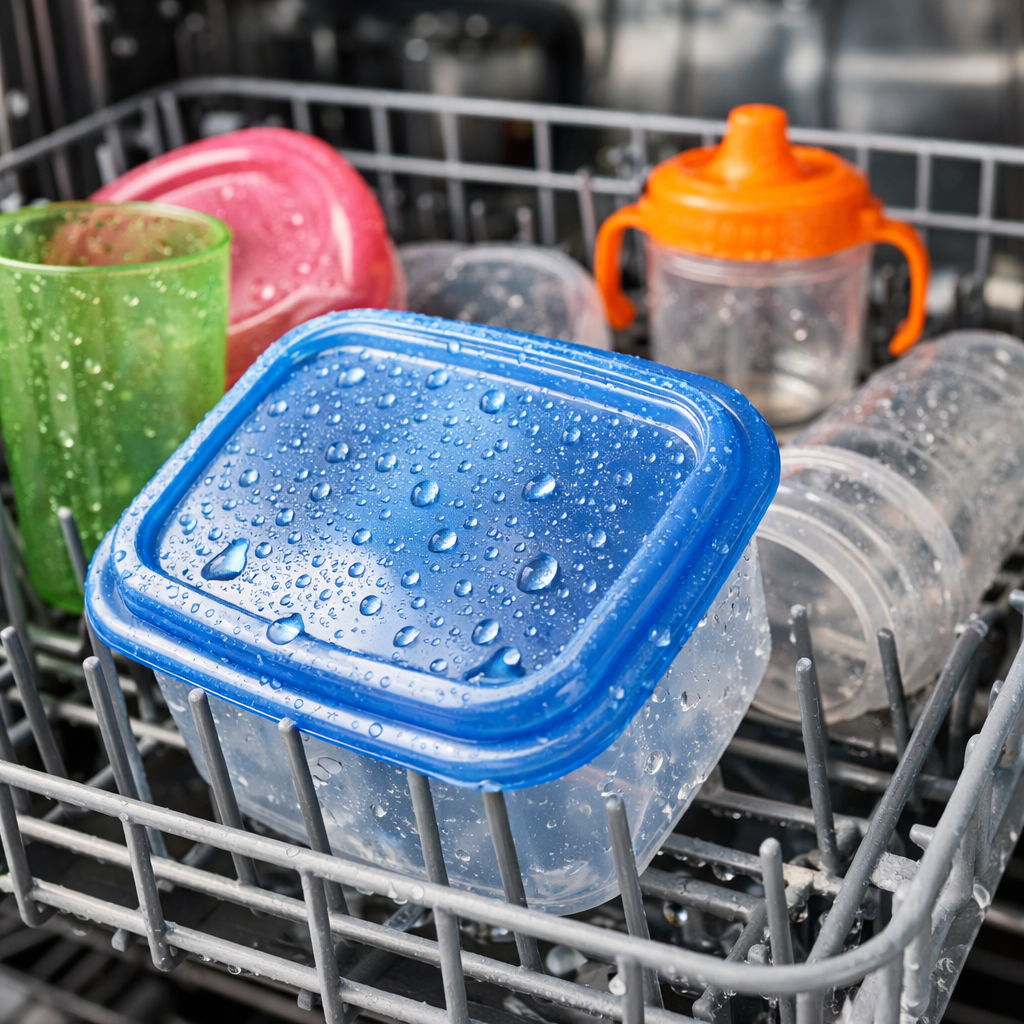
When a dishwasher won’t dry plastics, it can feel like the whole cycle is pointless. However, this is one of the most common “nothing is broken but everything is annoying” problems we hear at JAY Appliance Repair in Edmonton. Plastics behave differently than glass and ceramic, so even small changes in heat, airflow, or loading can suddenly leave you with wet lids, soggy containers, and puddles on the top rack.
In other words, the dishwasher might still be washing perfectly while drying has quietly gotten worse. Therefore, the fix often comes down to checking a few key systems and habits, then correcting what changed. After that, if the drying parts or controls are failing, a proper diagnosis saves you from replacing items that are still fine.
Dishwasher Won’t Dry Plastics: What Changed?
Plastics don’t hold heat the way plates do, so they rely on the dishwasher’s hot rinse, venting, and air movement to evaporate water. Consequently, if your final rinse temperature drops, or steam can’t escape, plastics will stay wet even when everything else looks “mostly dry.”
Moreover, modern dishwashers often use energy saving drying methods, which means plastics are the first to show problems when airflow is reduced. For example, a slightly clogged vent, a weak heater circuit, or a rinse aid issue can turn “good enough” drying into “everything is dripping.” If you need a full inspection and repair path, our dishwasher repair Edmonton service is built around these exact symptoms.
Rinse Aid and Detergent Balance Matters More Than You Think
If rinse aid is empty, set too low, or not dispensing, water beads on plastic instead of sheeting off. Therefore, containers come out with droplets that never evaporate, especially on lightweight items. Check the dispenser cap, fill level, and setting, and then run a normal cycle to compare results.
However, detergent choices also matter because some pods create extra surfactants that leave a film on plastics. As a result, water clings and dries unevenly. To clarify, you do not need “stronger” detergent for drying, you need a clean surface and a proper rinse. If you see streaks or cloudy residue, try reducing detergent slightly and using rinse aid consistently for a week.
The Final Rinse Temperature May Be Too Low
Drying plastics depends heavily on the final rinse being hot enough to load dishes with heat. Consequently, if incoming water is cooler, the heater is weak, or the thermostat is reading wrong, plastics will be wet even if the cycle finishes normally. Most importantly, winter water temperatures in Edmonton can expose borderline heating problems.
That is to say, you might not notice a failure until seasonal changes make the system work harder. If your unit has a “sanitize” or “high temp” option, test it, because a noticeable improvement suggests a heat related issue. When we handle this type of diagnosis at JAY Appliance Repair, we check heater continuity, control outputs, and temperature sensing to confirm whether the heating circuit is doing its job. You can also learn more about our overall service approach through our main appliance repair Edmonton page.
Venting and Airflow Problems Keep Moisture Trapped
Many dishwashers use a vent, fan, or door mechanism to release steam near the end of the cycle. However, if that vent is blocked by debris, mineral buildup, or a stuck flap, moisture stays inside and plastics never get a chance to dry. As a result, you open the door and everything feels warm but wet, with heavy condensation on the inner panel.
Firstly, inspect the vent area for grime and scale, and clean it carefully. Secondly, confirm that nothing is blocking the vent path, including tall cutting boards or large pans. Likewise, check that the door closes evenly, because poor sealing can disrupt airflow patterns inside the tub. If the unit uses a fan assisted dry system, a weak fan can also reduce evaporation, even though the dishwasher still runs quietly.
Loading Habits Can Suddenly Make Plastics Worse
Plastics often sit on the top rack, and a small change in loading can create water traps. For instance, bowls placed upright, lids stacked tightly, or containers nested together will hold water no matter how good the dishwasher is. Therefore, angle plastics so water drains down, and avoid placing wide lids flat where droplets can pool.
Moreover, keep plastics away from the back corner if your model vents in that area, because steam needs a clear path out. If your household recently switched container styles or started using more reusable plastics, that change alone can make it seem like the dishwasher won’t dry plastics anymore. JAY Appliance Repair often sees this after families upgrade storage sets and unknowingly create new pooling patterns.
Drying Options, Settings, and What They Actually Do
Energy saving modes can reduce heat and shorten the dry portion, so plastics stay wet. Consequently, if you recently turned on eco mode, disabled heated dry, or changed cycle types, you may have created the problem without realizing it. To clarify, quick cycles often skip high heat drying steps.
Try running a normal cycle with heated dry enabled, rinse aid filled, and plastics loaded for drainage, then compare results. After that, open the door slightly when the cycle ends and wait 5 to 10 minutes, because trapped steam needs an escape route. This simple step can dramatically improve plastics drying, especially on units designed to use condensation rather than intense heat.
When the Issue Points to a Component Failure
If you have rinse aid, correct loading, and the right cycle settings but plastics are still soaked, a component may be failing. For example, a heater that works “sometimes,” a faulty thermistor, a control board relay issue, or a vent actuator that sticks can all reduce drying performance. Therefore, consistent testing matters more than guessing.
In the same vein, if you notice the dishwasher also struggles with hot water performance, extended cycle times, or unusual moisture inside the door, it’s time for a proper check. When JAY Appliance Repair inspects drying complaints, we focus on measurable results, such as temperature rise, vent operation, and control outputs, so the repair is accurate and the fix lasts.
Related Appliance Clues That Can Help Diagnosis
Sometimes the home’s overall hot water behavior affects dishwasher drying. For instance, if other appliances show heat or control issues, it can point to broader electrical or maintenance problems. If you are also dealing with heat and airflow problems elsewhere, our dryer repair Edmonton service can help confirm whether venting habits or airflow maintenance needs attention.
Likewise, cooking appliance issues can hint at power supply irregularities in older homes. If you notice burner or control behavior changing, our cooktop repair Edmonton and stove repair Edmonton pages explain how we approach safe, targeted electrical checks.
FAQs
Why do plastics stay wet while glass dries fine?
Plastics cool faster and do not hold heat, so water does not evaporate as quickly. Therefore, they depend more on a hot final rinse, good venting, and rinse aid to help water sheet off.
Does rinse aid really make that much difference?
Yes, because rinse aid reduces surface tension and helps water slide off plastics. Consequently, droplets do not cling and pool, which improves drying even on energy saving dishwashers.
Should I use heated dry all the time?
If plastics are your main issue, heated dry often helps. However, try normal cycles with rinse aid first, because the best setting depends on your model, load type, and how you place containers.
Why does opening the door after the cycle help?
Opening the door releases trapped steam, so moisture can escape instead of condensing back onto plastics. As a result, containers dry faster in the first few minutes after the cycle ends.
When should I call for service?
If you have rinse aid, correct loading, and proper settings but the dishwasher won’t dry plastics consistently, a heater, vent, sensor, or control issue may be present. Therefore, a diagnostic visit prevents unnecessary part replacements.