
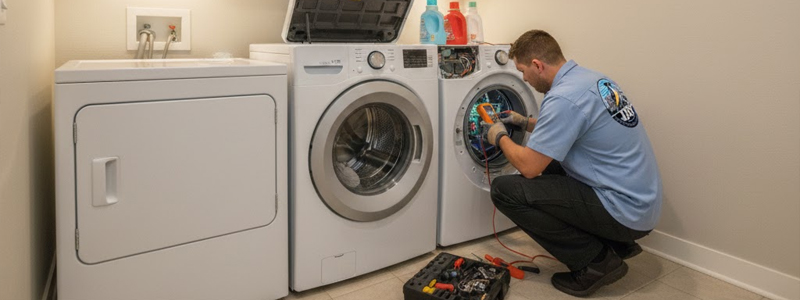
At JAY Appliance Repair Edmonton, we field a steady stream of questions about appliance energy efficiency from homeowners watching their utility bills. The good news is simple. Most appliances can run leaner with a little care, and a failing part is often the hidden reason one has become a power drain. This guide explains where the energy goes, which habits help, and when a repair restores efficiency you have quietly lost.
Why Appliance Energy Efficiency Matters
Household appliances account for a large share of home energy use. A refrigerator never switches off, and a dryer or oven pulls a heavy load whenever it runs. Small inefficiencies in each unit add up across a full year.
Efficiency is not only about the appliance you buy. It is also about how well that appliance is maintained. A neglected unit works harder to do the same job, and that extra effort shows up on your bill.
Where the energy actually goes
Heating is the biggest draw in most homes. Anything that heats water or air, such as a dryer, dishwasher or oven, demands real power. Cooling runs a close second because the fridge and freezer run around the clock.
Habits That Improve Appliance Energy Efficiency
You can lift efficiency without spending anything. A handful of habits reduce the load on every major unit, and they take only minutes.
- Run the dishwasher and washer with full loads, not half-empty ones.
- Clean the dryer lint trap before every cycle.
- Keep fridge and freezer coils free of dust.
- Let hot dishes cool before loading the fridge.
- Check that door seals close tightly on the fridge and oven.
Recognized efficiency standards from ENERGY STAR show how much variation exists between well-run and poorly-run appliances. The gap is often down to maintenance, not the model.
Maintenance Keeps Efficiency High
A clean appliance is an efficient appliance. Dust on condenser coils forces a fridge compressor to run longer. Lint in a dryer vent traps heat and stretches every cycle. Scale on a dishwasher element slows water heating.
| Appliance | Efficiency drain | Simple fix |
|---|---|---|
| Refrigerator | Dusty coils, weak seal | Vacuum coils, replace gasket |
| Dryer | Clogged vent, lint buildup | Clear vent, clean trap |
| Dishwasher | Scaled element, blocked arms | Descale, clear spray holes |
| Washer | Worn seal, scaled heater | Service seal and heater |
| Oven | Leaky door seal | Replace gasket, check hinges |
If your fridge seems to run constantly, that is often a seal or coil issue sapping efficiency. A dryer that takes two cycles to dry is burning extra energy every load.
When a Repair Restores Lost Efficiency
Sometimes a drop in efficiency is really a fault in disguise. A fridge that cycles nonstop, a dryer that runs long or a dishwasher that reheats water repeatedly are all working too hard. The cause is usually a specific, fixable part.
Replacing a torn gasket, a weak element or a tired thermostat often brings an appliance back to its original efficiency. That is a far smaller step than replacing the whole unit, and it keeps a sound appliance in service.
Repair Versus Replacement for Efficiency
A modern appliance can be noticeably more efficient than one from a decade ago. For a unit near the end of its life, that difference may justify replacement. For a younger appliance, a targeted repair almost always wins.
We help you weigh this with a proper diagnosis first. You can see the full range of units we service on our appliance repair services page, and we give an honest quote after assessment so the choice is clear.
Water Efficiency Counts as Much as Power
Appliance energy efficiency is not only about electricity. Dishwashers and washers also use water, and heating that water is itself a major energy cost. A unit that overuses water quietly doubles the waste, drawing more from the tap and more from the water heater.
Modern cycles are designed to use less water while cleaning just as well. An older or faulty unit can run long, water-heavy cycles that defeat the purpose. Watching water use is a natural extension of watching power use.
Habits that trim water waste
- Skip the pre-rinse and scrape dishes instead.
- Use the eco or normal cycle rather than heavy by default.
- Wash laundry in cold water where the fabric allows.
- Fix a slow fill or leak promptly, since both waste heated water.
Small Fixes With Real Payback
The biggest efficiency wins are often the smallest repairs. A ten-dollar door gasket can stop a fridge from running constantly. A cleaned vent can cut a dryer cycle in half. These are modest jobs with an outsized effect on how much energy your home uses.
That is why we treat efficiency as part of every repair, not a separate service. When we fix a fault, we also look for the wear that drives waste. A tired seal, a scaled element or a clogged filter all get flagged, because leaving them in place keeps the appliance working harder than it should.
Think of efficiency as the sum of many small, well-maintained parts. Keep each one in good shape and the whole appliance runs leaner, quieter and longer. That is the most reliable way to control what your appliances cost to run.
Efficiency and Appliance Lifespan Go Together
There is a happy overlap between running efficiently and lasting longer. The same clean coils, clear vents and tight seals that save energy also reduce strain on motors and compressors. An efficient appliance is almost always a healthier one.
That is worth remembering when efficiency feels like a chore. You are not only trimming a utility bill. You are extending the service life of an appliance you would otherwise have to replace. The two goals pull in the same direction, so every bit of upkeep does double duty.
Edmonton homes face real seasonal swings, and appliances work hardest in the coldest and hottest weeks. Keeping them efficient through those stretches matters most, because that is when an inefficient unit struggles and fails. A little attention before each season protects both your budget and your appliances.
Frequently Asked Questions
How much can appliance energy efficiency really save?
Efficiency gains show up over time rather than overnight. A clean, well-maintained appliance uses less power and water than a neglected one. Over a year, better appliance energy efficiency can meaningfully lower household utility use.
Is it worth upgrading an old but working appliance?
Sometimes. If a unit is well past its typical lifespan and running inefficiently, a modern replacement may use far less energy. But a sound appliance that only needs cleaning or one part is usually worth keeping.
Which appliances use the most energy at home?
Refrigerators run constantly, so they are steady consumers, while dryers and ovens draw heavily in bursts. Dishwashers and washers add water heating on top. These are the units where efficiency habits matter most.
Does a failing part hurt efficiency?
Yes. A worn door seal, a scaled heating element or a clogged dryer vent all force an appliance to work harder. Fixing these faults often restores both performance and efficiency at once.
Book an Efficiency Check in Edmonton
JAY Appliance Repair Edmonton serves Edmonton and the surrounding communities. Call (780) 782-9600 or email jayappliance2020@gmail.com, Monday to Saturday from 8am to 8pm. We will inspect the appliances that run hardest and give you an honest quote after assessment.